The components you choose decide how much your system produces and how long it lasts. Here’s what matters for each part, with Pakistan’s heat, dust and grid in mind.
Solar panels
Start with Tier-1 manufacturers
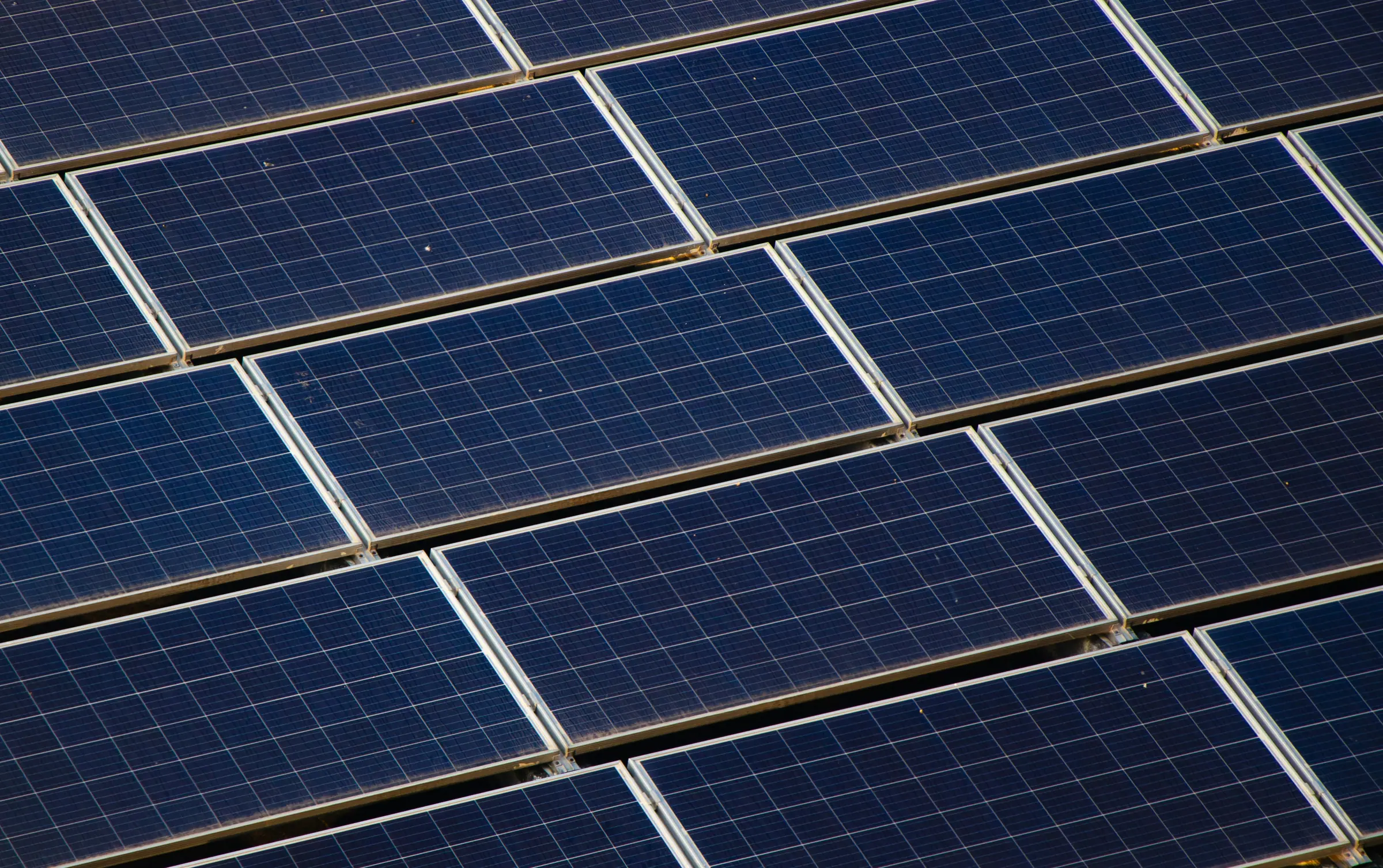
“Tier-1” is BloombergNEF’s list of manufacturers whose modules have been used in multiple bank-financed projects. It’s a measure of bankability rather than a lab quality test, but it’s a sensible filter. Brands commonly installed in Pakistan include LONGi, JA Solar, Jinko and Canadian Solar, the same families of modules used across our projects.
Mono PERC vs N-type (TOPCon, HJT)
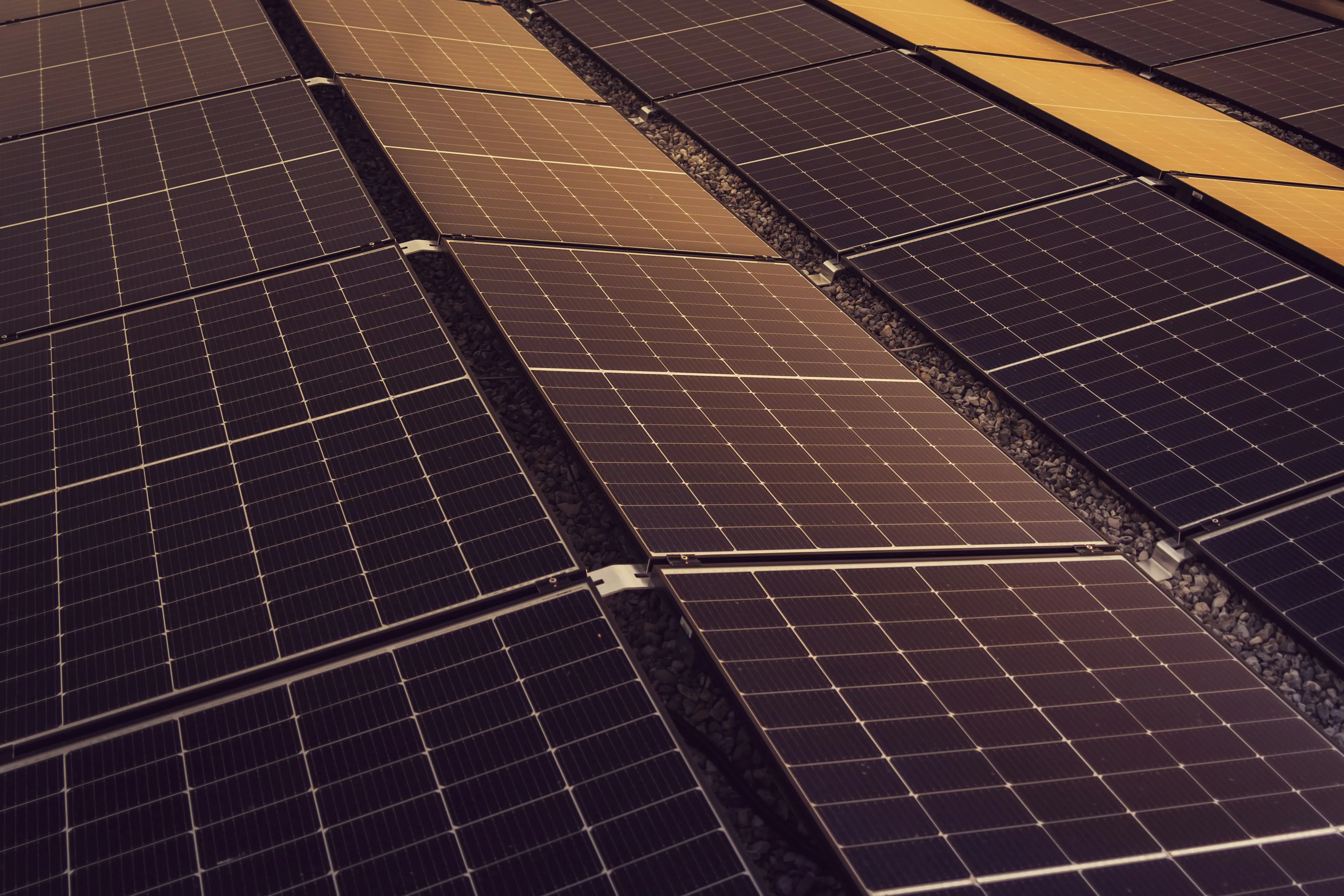
Mono PERC was the standard for years. Newer N-type technologies such as TOPCon typically offer slightly higher efficiency, lower degradation and, importantly for Pakistan, a better temperature coefficient, meaning they lose less power on 45 °C rooftops. Bifacial versions can gain extra output from light reflected off bright surfaces when mounted on elevated structures.
What to check on the datasheet
- Wattage & efficiency: higher wattage means fewer panels and less roof space.
- Temperature coefficient of Pmax: closer to zero is better in hot climates.
- Warranties: a product warranty (commonly 12–15 years) and a linear performance warranty (commonly 25–30 years).
Inverters
- On-grid (string) inverters for grid-tied systems. Brands such as Huawei, Solis, Sofar and Growatt are widely used in Pakistan.
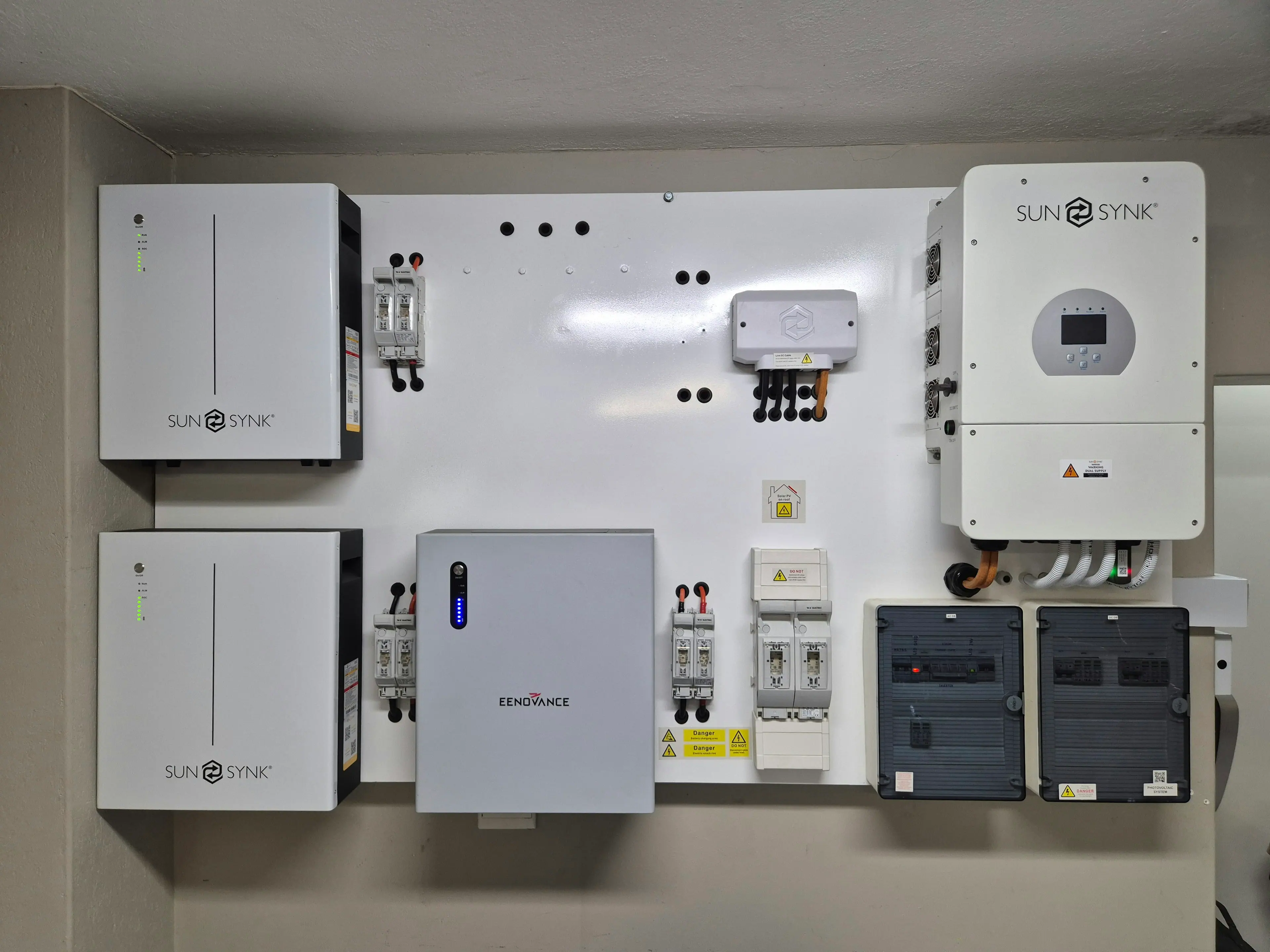
- Hybrid inverters manage panels, batteries and grid together for backup during load-shedding.
- Sizing: panel capacity is usually slightly larger than inverter capacity (a DC/AC ratio of around 1.1–1.3) to make the most of the inverter.
- MPPTs: multiple MPPT inputs let panels on different roof faces or orientations work independently.
- Monitoring: Wi-Fi monitoring apps make it easy to spot drops in output.
- Local support: check the brand’s service and warranty presence in Pakistan.
Batteries
For hybrid and off-grid systems, lithium iron phosphate (LiFePO₄) batteries have become the preferred choice: they offer far more charge cycles, deeper usable capacity and less maintenance than traditional lead-acid batteries. Lead-acid is cheaper upfront but needs replacing much sooner. Always make sure the battery is compatible with, and correctly configured on, your hybrid inverter.
Structures & protection
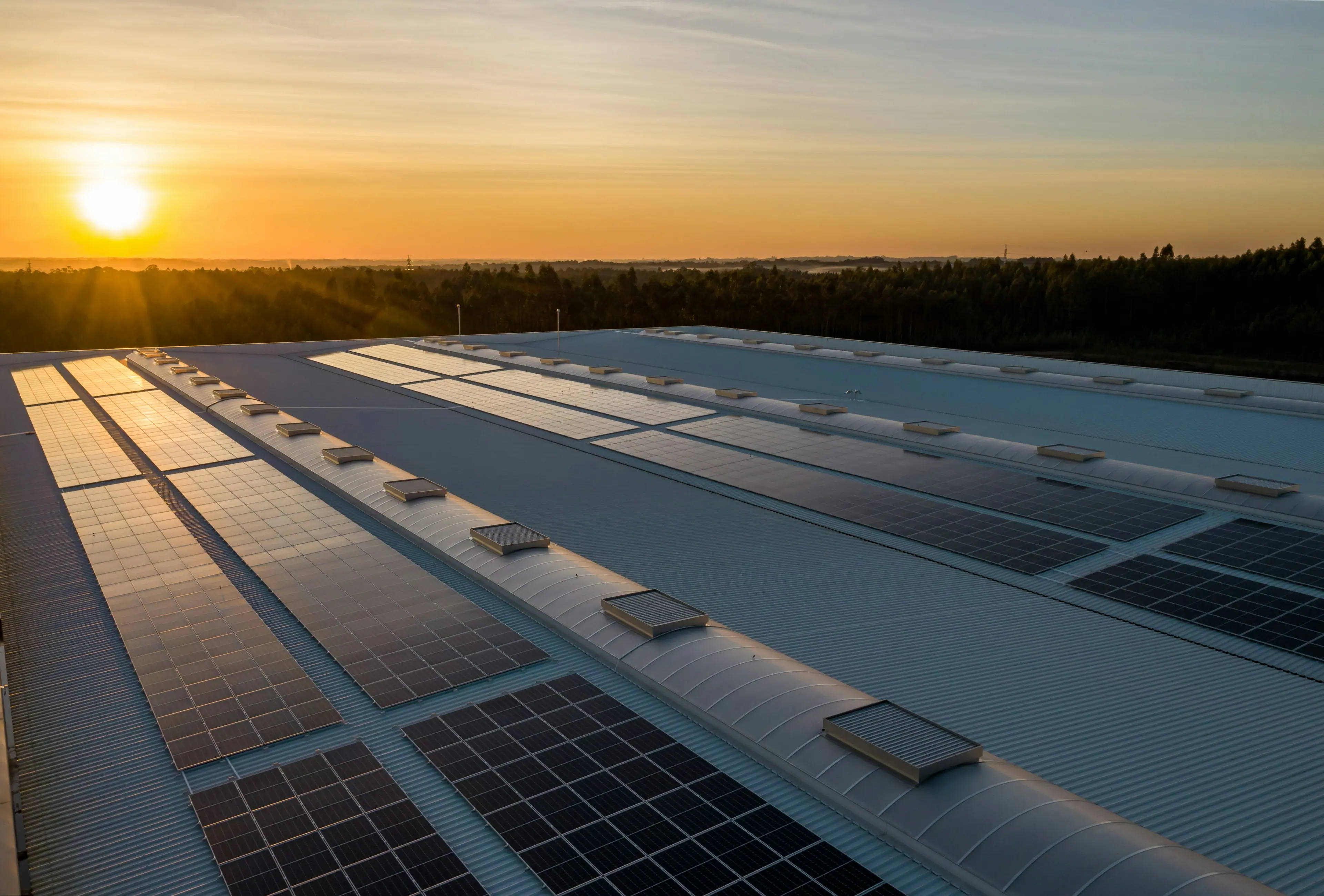
Hot-dip galvanised or aluminium structures resist corrosion for decades. Elevated structures (often called L1/L2) lift panels above water tanks and allow the roof to be used underneath. Correctly rated DC breakers, fuses, surge protection devices (SPDs) and proper earthing are non-negotiable for safety, especially during monsoon lightning.
Avoiding fake or grey-market stock
- Buy from authorised distributors and ask for warranty documentation.
- Verify panel serial numbers through the manufacturer’s verification tools where available.
- Be wary of prices far below market. “B-grade” or refurbished stock is sometimes sold as new.
Our equipment supply service provides Tier-1 panels, inverters, batteries and protection, checked for compatibility by our engineers.