Choosing the system type is the most important decision you’ll make when going solar. It decides what you pay, how much you save, and whether your lights stay on during load-shedding. Here’s how on-grid, hybrid and off-grid systems compare in Pakistan’s conditions.
At a glance
| On-grid | Hybrid | Off-grid | |
|---|---|---|---|
| Grid connection | Required | Yes, optional backup | None |
| Batteries | No | Yes | Yes (essential) |
| Works in load-shedding | No | Yes | Yes |
| Upfront cost | Lowest | Medium–high | Highest for same load |
| Net metering | Yes | Yes | No |
| Best for | Maximum savings, reliable grid | Savings + backup | Remote sites, farms, no grid |
On-grid (grid-tied) systems
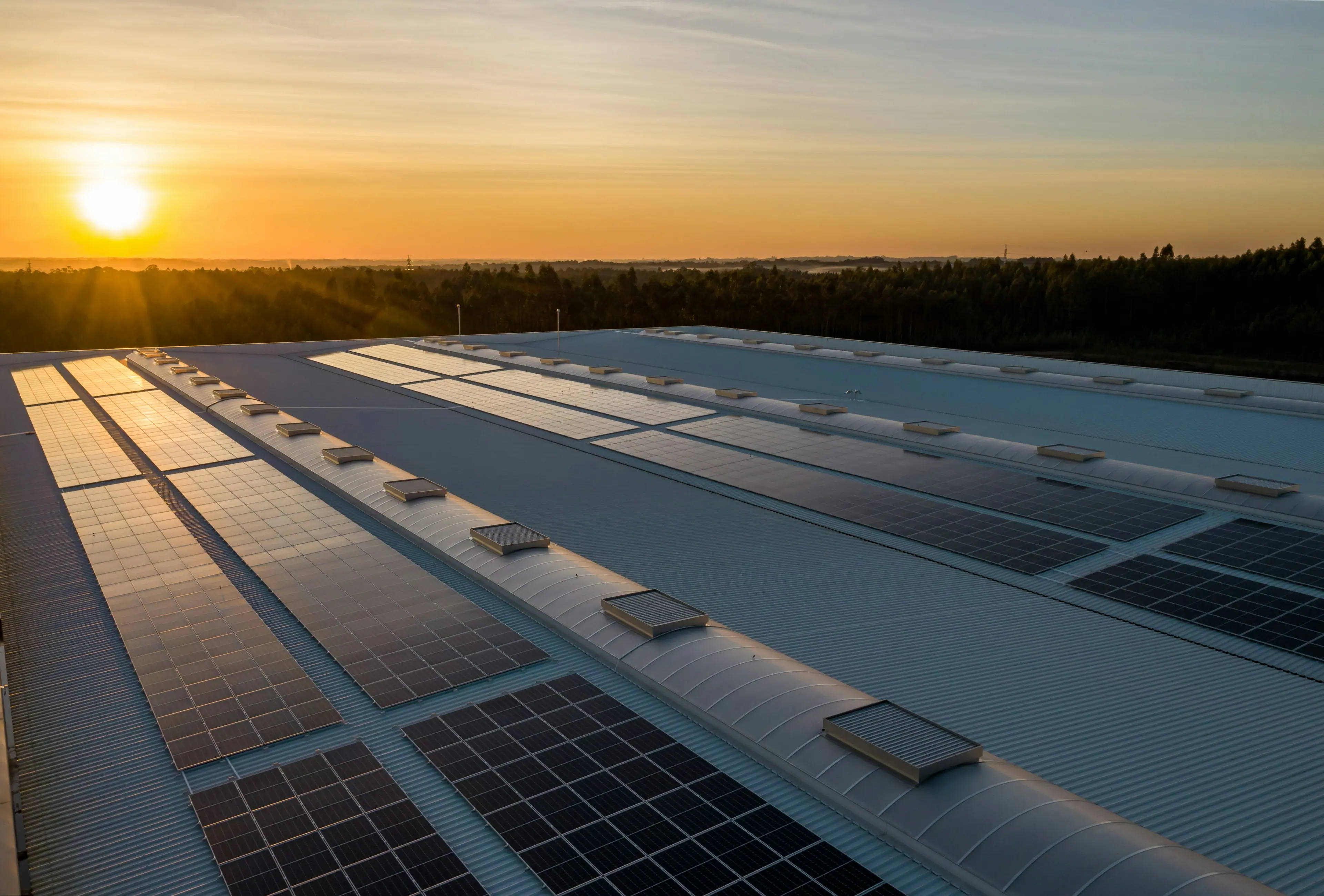
An on-grid system connects your solar panels, through a grid-tied inverter, to your home or building and to the utility grid. During the day your loads run on solar first. If solar isn’t enough, the grid tops up; if solar produces more than you use, the surplus can be exported under your DISCO’s net-metering or net-billing arrangement.
- Pros: lowest cost per kW, no battery replacements, highest return on investment.
- Cons: shuts down during grid outages (a safety requirement called anti-islanding).
On-grid is the default choice for factories, universities and commercial buildings with heavy daytime loads. Most of our large installations, including 500 kW at NFC University, Multan, are grid-tied.
Hybrid systems
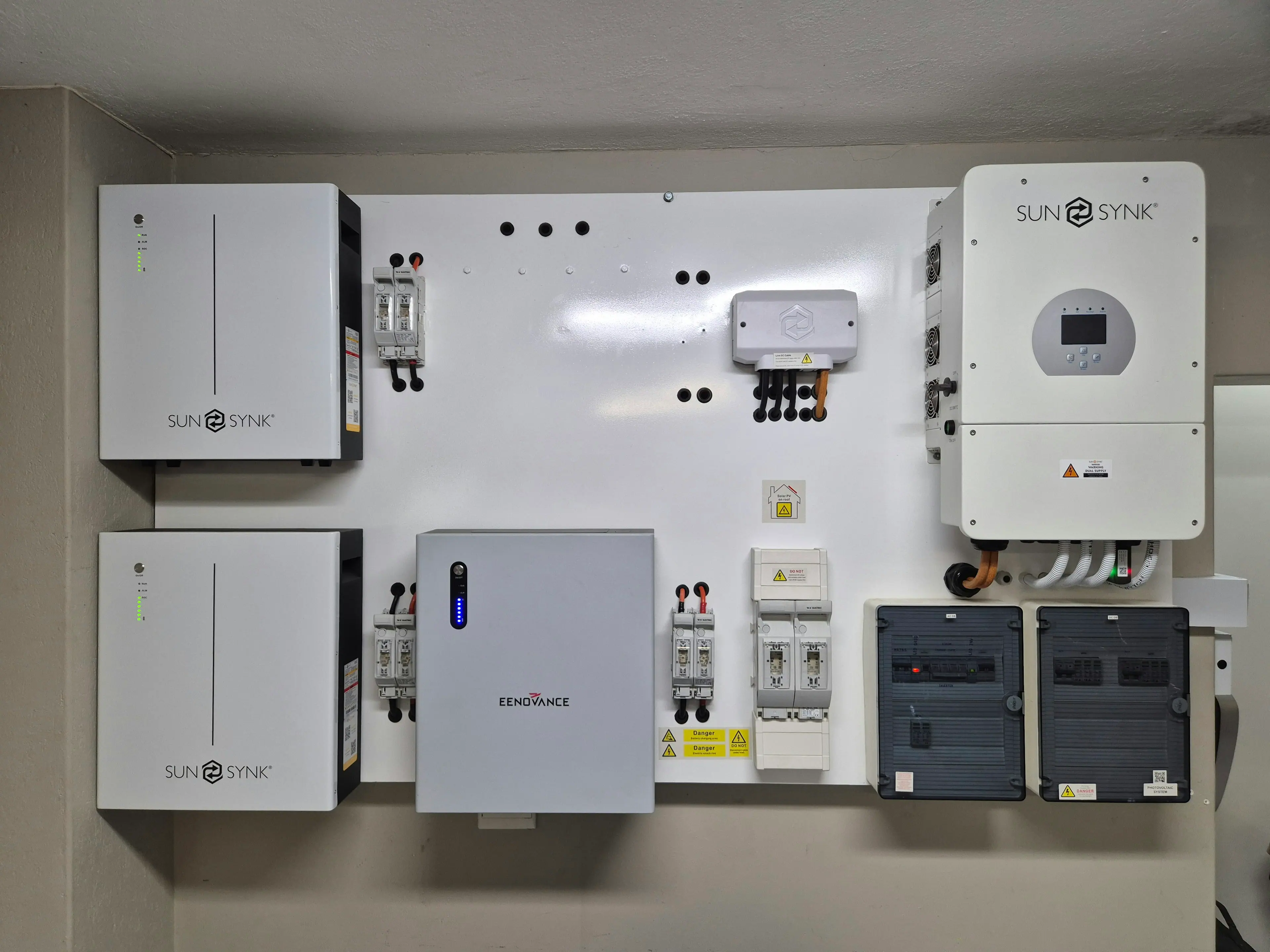
A hybrid system adds battery storage and a hybrid inverter. It behaves like an on-grid system when the grid is available, and automatically switches to solar and battery power during an outage. Batteries can also store daytime surplus for use in the evening.
- Pros: savings and backup, uninterrupted essentials during load-shedding, more self-consumption.
- Cons: higher upfront cost; batteries need to be sized carefully and eventually replaced.
Hybrid is the most popular choice for homes in Lahore and other cities where outages are common. Institutions sometimes mix both: at GC University, Faisalabad we installed 80 kW on-grid alongside 50 kW hybrid for critical loads.
Off-grid systems
Off-grid systems have no utility connection at all. Everything runs on solar and batteries, often with a generator for long cloudy spells. They’re ideal for remote farms, tubewells and sites where a grid connection is unavailable or unreliable, but they must be sized for your worst days, which makes them the most expensive option for the same load.
How to choose
- Check your outages. If load-shedding is frequent and disruptive, go hybrid. If the grid is reliable, on-grid gives the best payback.
- Look at when you use electricity. Heavy daytime use (offices, factories, schools) suits on-grid. Evening-heavy homes benefit from batteries.
- Consider export value. As the rules on exported units evolve, using more of your own solar (self-consumption) matters more, which favours hybrid designs and daytime load-shifting.
- Size it properly. Use our solar calculator for a first estimate, then get a site survey.
Not sure which suits you? Share a recent electricity bill with our engineers and we’ll recommend a system type and size. Request a free consultation.