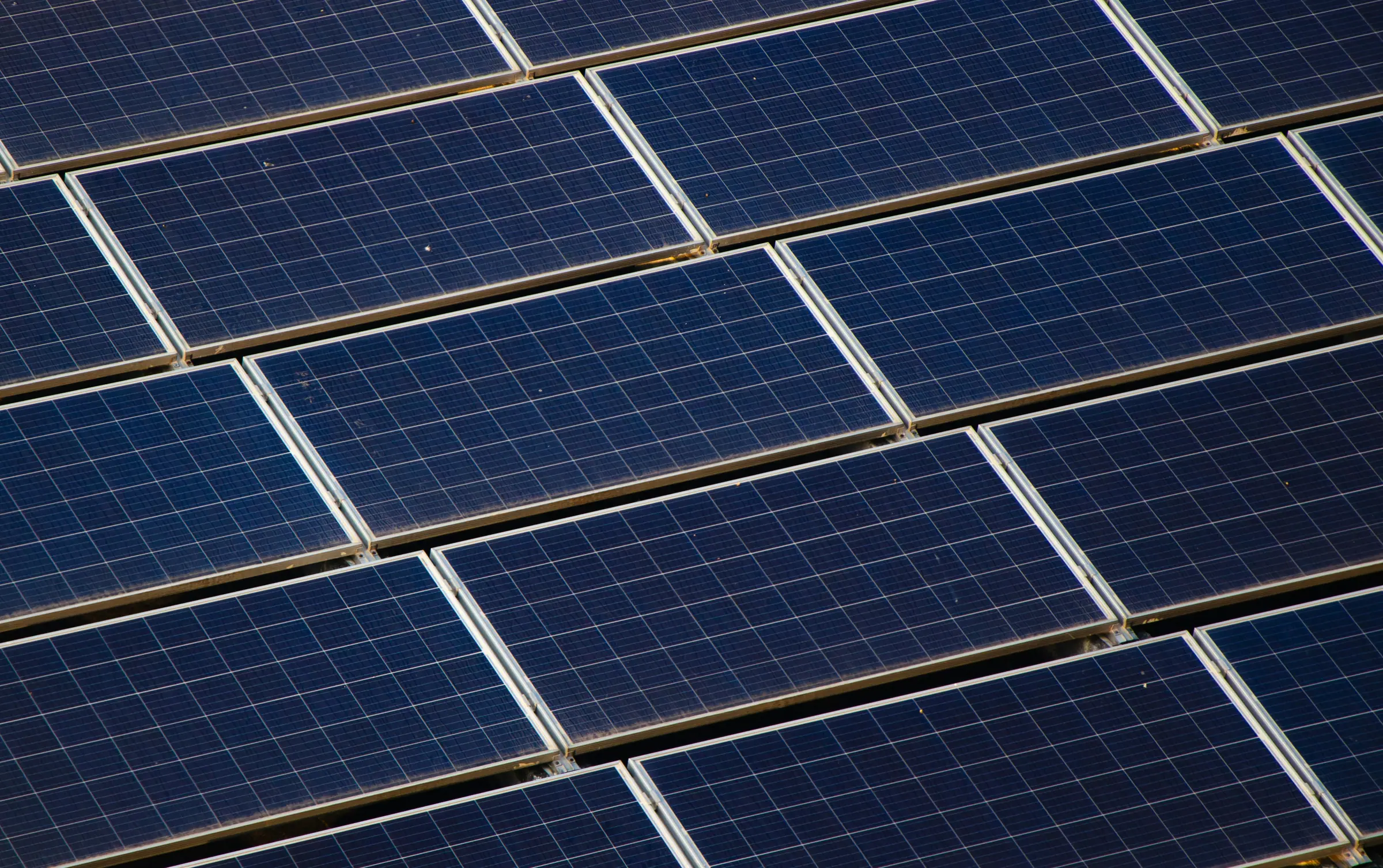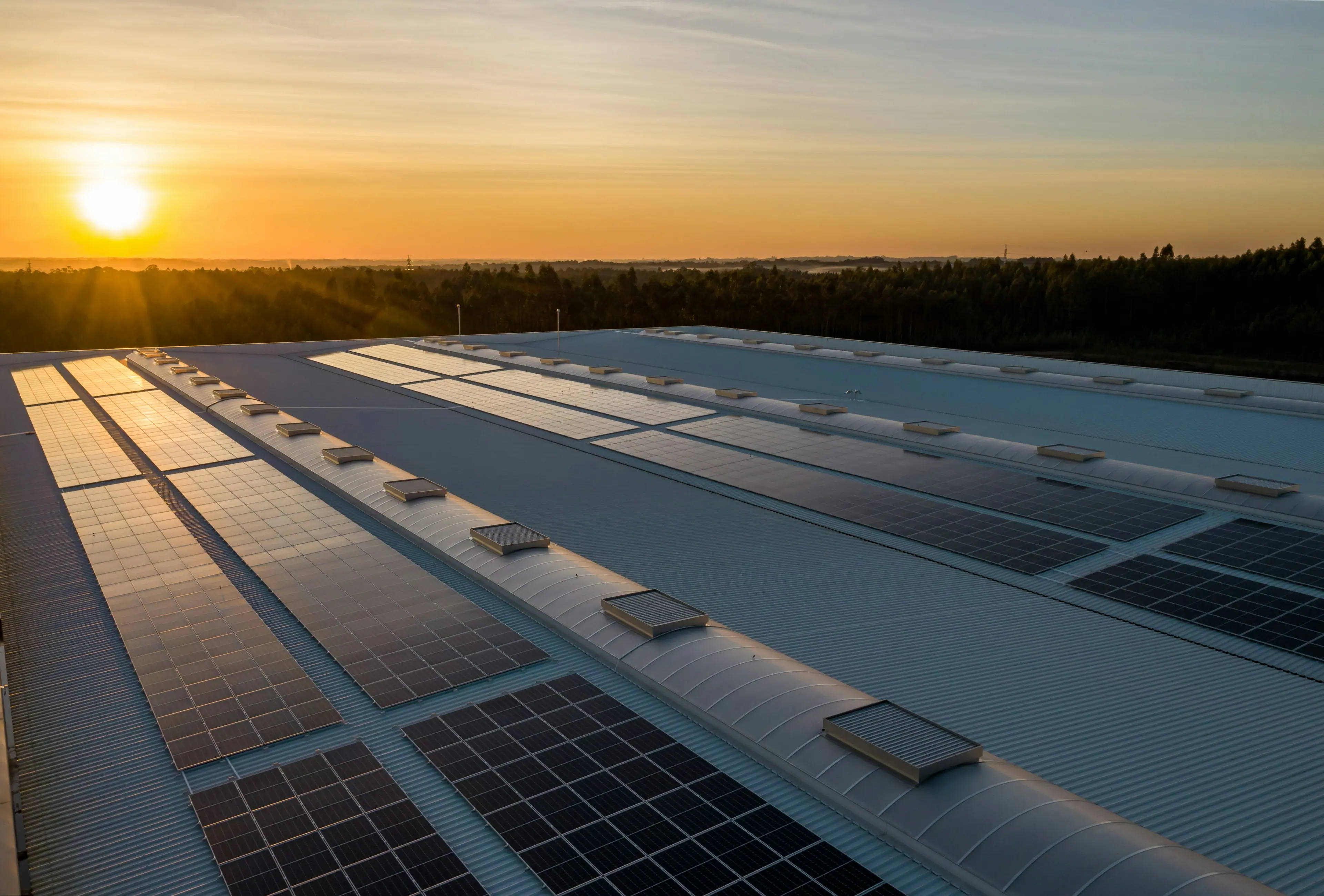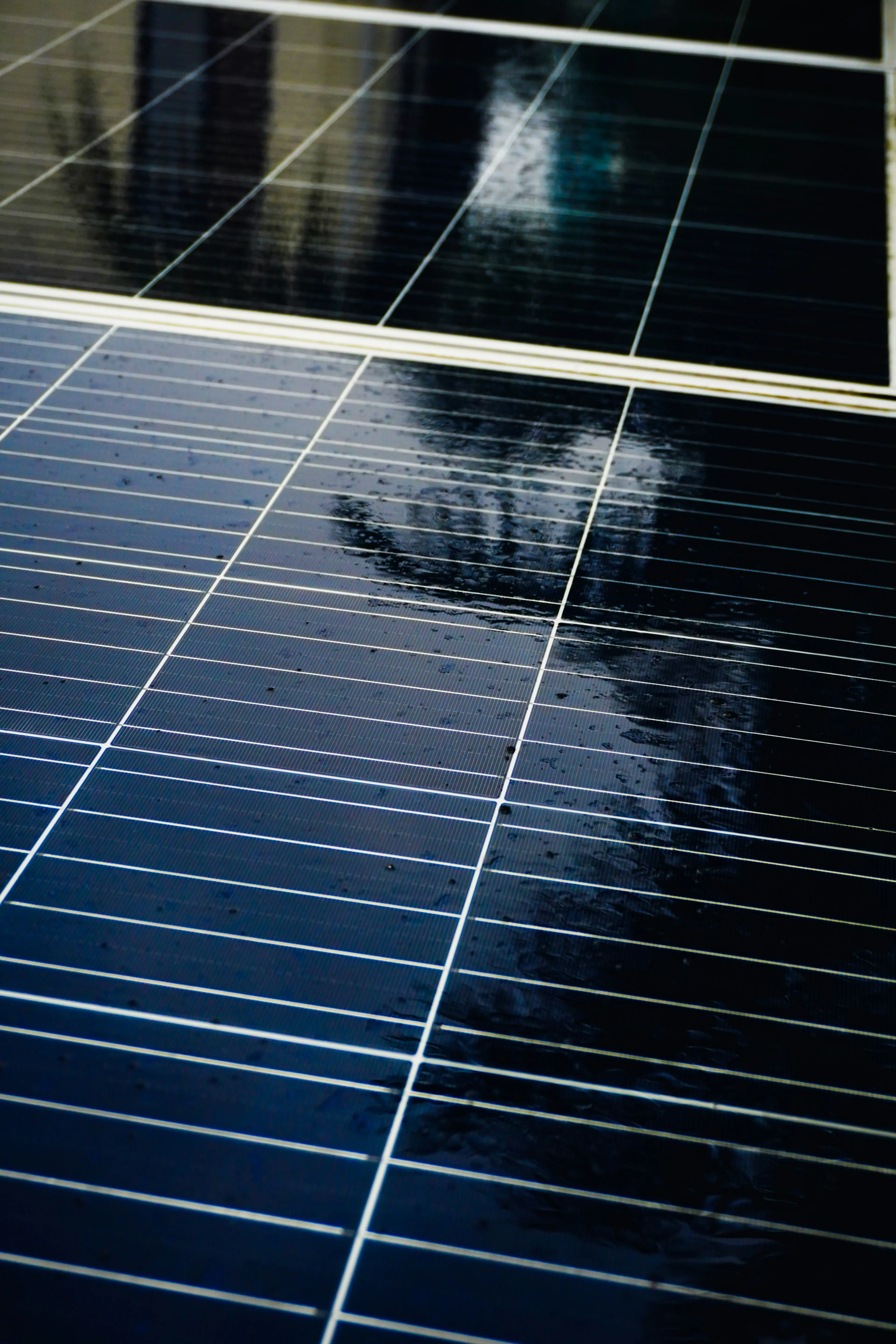
Solar panels have no moving parts, but they aren’t maintenance-free, especially in Punjab. Dust storms, construction, traffic pollution and winter smog leave a film on the glass that blocks sunlight and quietly cuts the units your system produces.
Why cleaning matters
Every particle of dust on the glass is sunlight that never reaches the cells. In dusty regions, losses from soiling are commonly measured in double-digit percentages if panels are left uncleaned through dry periods. Bird droppings are worse: they cause partial shading of cells, which can create hotspots and drag down the output of an entire string.
How often should you clean?
- Dry, dusty months (roughly spring to early summer): every 2–4 weeks for most city rooftops.
- Monsoon: less often, but check for mud streaks after light showers.
- Winter smog season: smog leaves a sticky residue, so regular cleaning helps recover already-reduced winter output.
- Near construction, roads or factories: more frequently.
The best guide is data: compare daily units in your inverter’s monitoring app against similar sunny days. A steady decline usually means it’s time to clean.
How to clean solar panels safely
- Clean in the early morning or late afternoon when the glass is cool.
- Use clean water and a soft brush or sponge. A long-handled brush avoids walking on panels.
- Avoid pressure washers, abrasive pads, and harsh detergents that can damage coatings or seals.
- Never stand on panels. It can cause micro-cracks you can’t see.
- Stay safe on rooftops: use proper access, and never touch cabling or connectors.
Maintenance checklist
- Monthly: check the monitoring app for drops in daily output or inverter alarms.
- Every few months: inspect panels for cracks, discolouration or bird nests underneath.
- Twice a year: check structure bolts, cable ties, conduit and connectors; confirm earthing is intact.
- Yearly: a professional inspection of DC/AC protection, SPDs, breakers and inverter health.
Want it done for you, with proof? Our panel washing & performance reporting service measures output before and after cleaning and flags any faults we find.