For factories, universities, hospitals and commercial buildings, solar is one of the most effective ways to control energy costs. Most of these sites use the bulk of their electricity during daylight hours, exactly when solar produces. Here’s how to plan a commercial & industrial (C&I) solar project properly.
Why solar works so well for C&I
- Daytime demand matches solar generation, so most units are consumed directly.
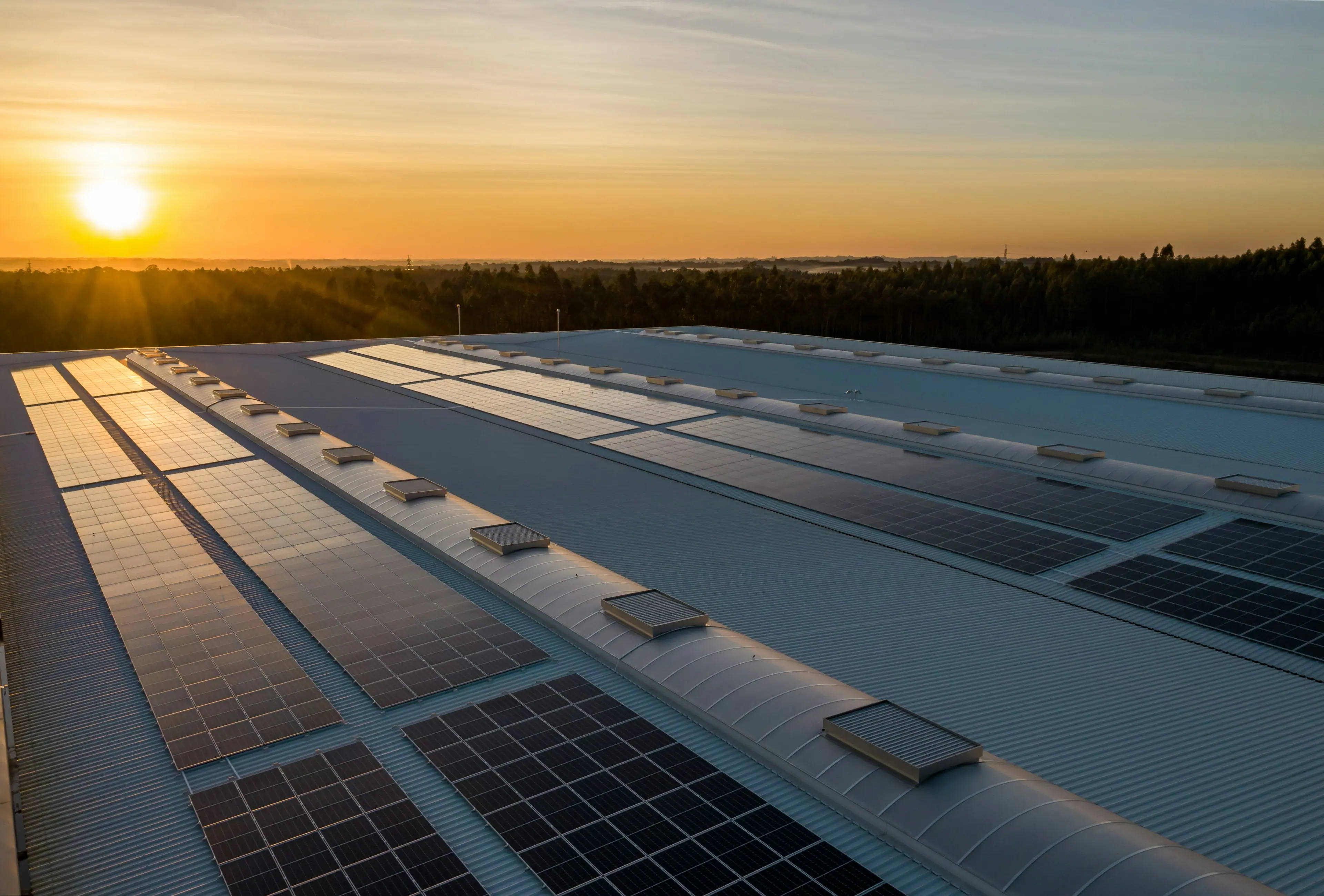
- Large roofs (sheds, warehouses, campus buildings) provide space without buying land.
- Predictable costs: solar units have no fuel cost, which protects against tariff increases.
- Sustainability: lower emissions support ESG goals and export-market requirements.
Size by load profile, not just sanctioned load
The best-performing systems are sized from how and when the site actually uses electricity. We analyse billing history and, where available, interval data to find the daytime base load, then model generation in PVsyst. This avoids oversizing (exporting cheap units) and undersizing (leaving savings on the table). See our survey & design service.
Roofs, structures & solar parking sheds
Industrial roofs vary widely, from RCC slabs to metal sheds. Elevated L1/L2 structures in galvanised iron or lightweight aluminium keep panels clear of rooftop equipment and allow maintenance underneath. Where roof space is limited, solar parking sheds add capacity while shading vehicles, as we built at COMSATS University, Vehari.
Equipment at scale
Large systems typically use multiple high-capacity string inverters, such as the five Huawei 100 kW units at NFC University, Multan. That gives redundancy (one fault doesn’t stop the plant) and simpler maintenance. Mixed designs are also possible: on-grid for savings plus hybrid for critical loads, as at GC University, Faisalabad.
Operations & maintenance
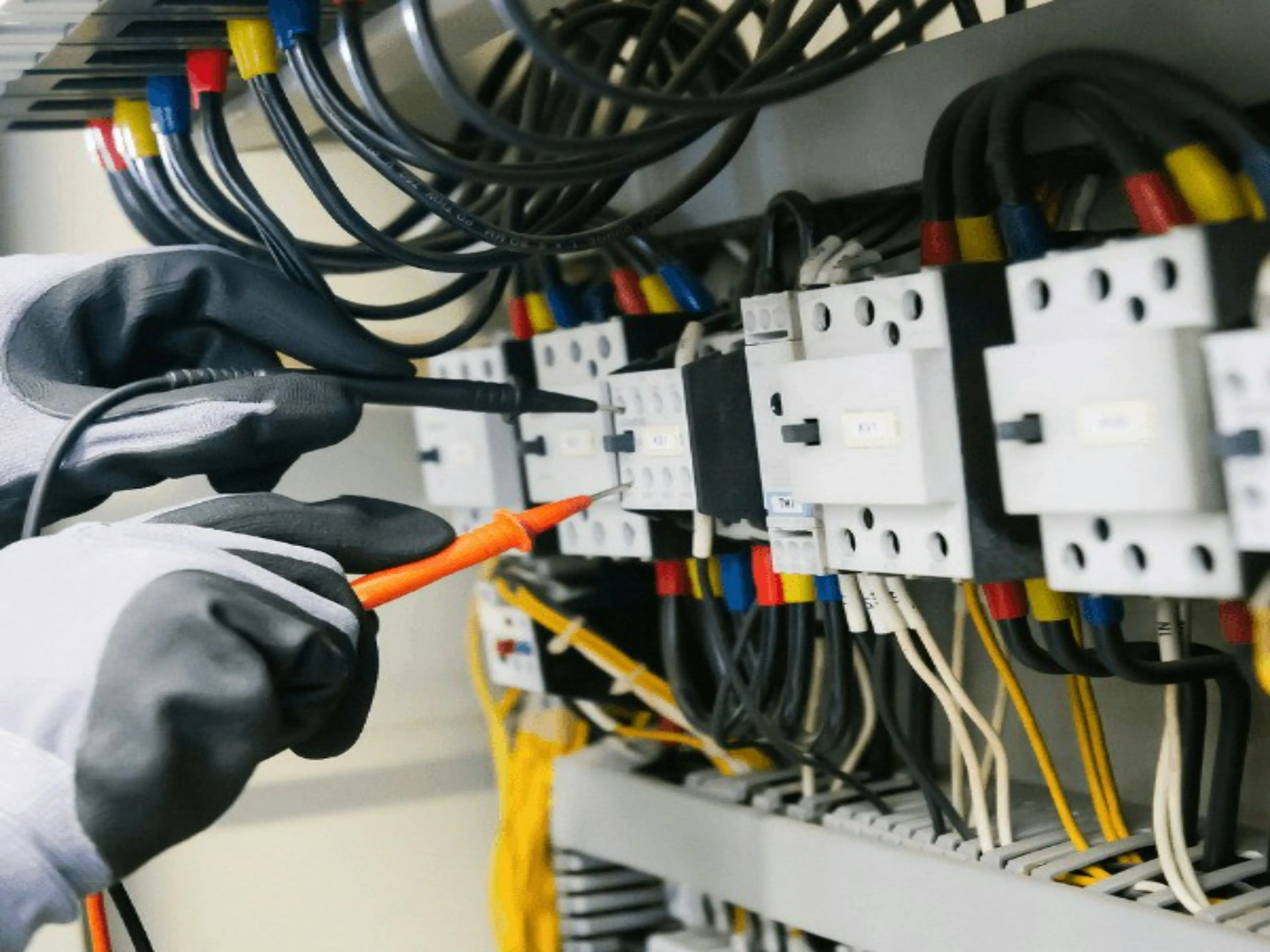
A plant’s return depends on uptime and clean panels. Budget for scheduled cleaning, monitoring and periodic electrical inspection. Our washing & performance reporting service documents output before and after each clean.
From our 1 MW installation at the Punjab Institute of Mental Health to factories in Gujranwala and Kasur, we deliver C&I solar end to end. Talk to our engineers about a feasibility study.